





Colouring Soaps
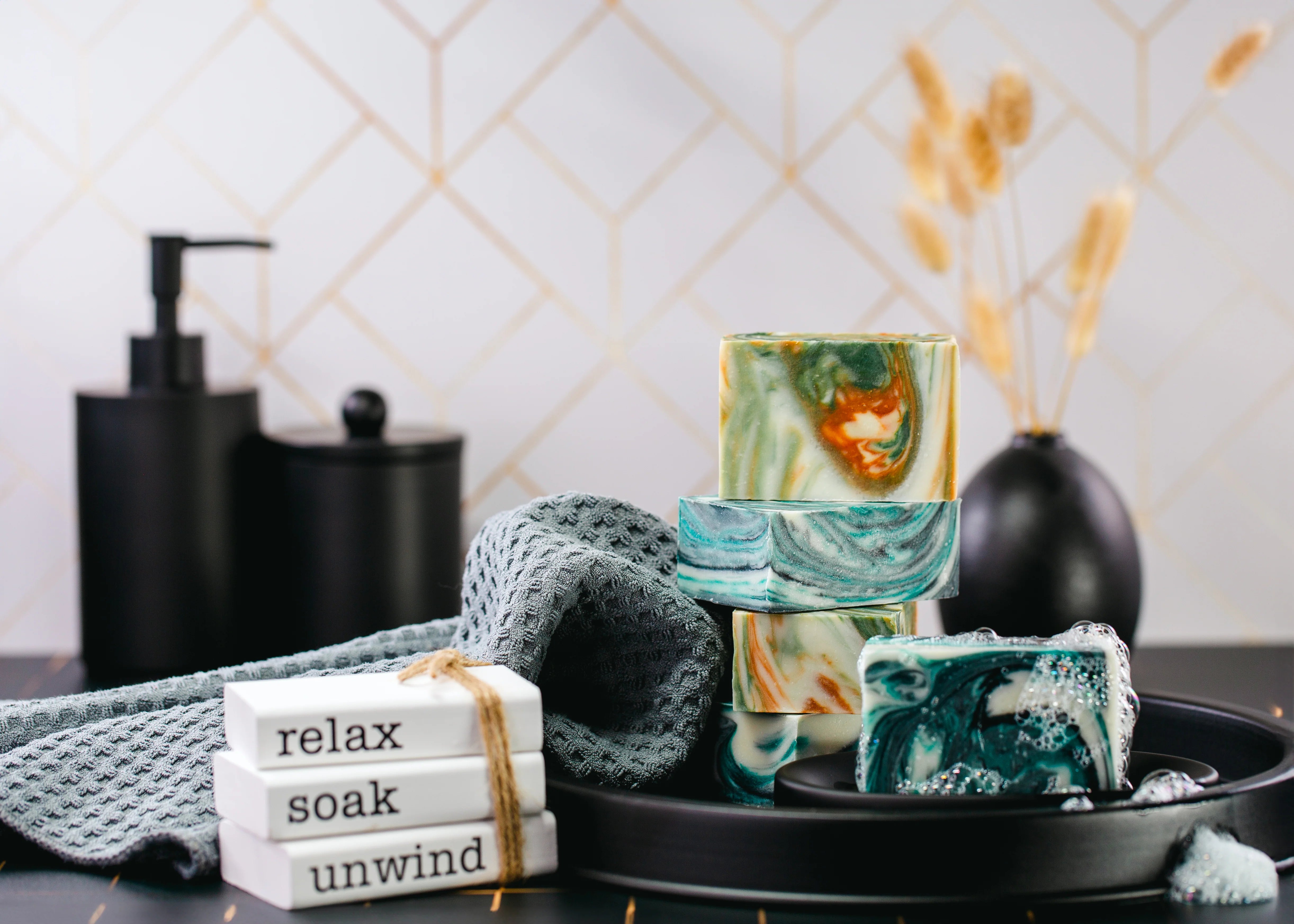
You can use a wide range of natural herbs, spices, clays, and cosmetic colourants when making your own soap.
Voyageur offers a wide range of so you can make your soap the perfect colour.
Voyageur offers a wide range of so you can make your soap the perfect colour.
Herbs & Spices:
When using herbs and spices to colour your soap, the colour of the ingredient will not necessarily create the same colour in your finished soap. The saponifcation process can make herbs and spices change colour, and flower petals will tend to brown.The intensity and darkness of the colour will also depend on the amount used. Start by adding a tsp of herbs or spices to a bit of water and then adding it to your batch of soap at a light trace.
Here are some commonly used botanicals in soap making, and the colours they make.
| Botanical Colourant: |
Makes: |
| Beet Root Powder | Earth brownish soap |
| Bladderwrack | Gray-green soap |
| Burdock Root | Warm brown soap |
| Cayenne Pepper | Salmon colored soap |
| Chickweed Herb |
Rich green soap |
| Cinnamon Ground | Caramel to brown speckled |
| Comfrey Leaf |
Sage green soap |
| Curry Powder Madras | Yellow soap |
| Dulse Powder Choice | Green soap |
| Elder Berries | Caramel brown soap |
| Henna Blonde Powder | Light brown soap |
| Henna Black Powder | Green soap |
| Henna Red Powder | Sage green soap |
| Kelp Powder Atlantic | Gray-green soap |
| Neem Leaf |
Textured deep brown soap |
| Nettle Leaf |
Lime green soap |
| Paprika |
Salmon speckled soap |
| Rosehips |
Speckled pink & tan soap |
| Stevia Leaf Powder |
Yellow-green soap |
| Spirulina Powder | Green-yellow soap |
| Turmeric Ground | Peach-orange soap |
| Walnut Hulls |
Yellow & brown speckled soap |
Clays
Clays are a beautiful way to naturally colour your soaps while also adding skin care benefits. A rounded tsp. per 4 lb. batch of soap will generally give the soap a nice colour.We add the clay to a tbsp of water to make a slurry first, then add the slurry to the soap at a light trace. Continue to whisk or stick-blend the soap to distribute the clay evenly with no lumps or streaks.
| Clay: |
Makes: |
| Australian Pink Clay | Dusty pink |
| French Red Clay |
Brick red |
| French Yellow Clay |
Mustard yellow |
| French Green Clay |
Light grey-green |
| Bentonite Clay |
Pale grey |
Pigments, Oxides, Ultramarines, Neon Powders & Micas
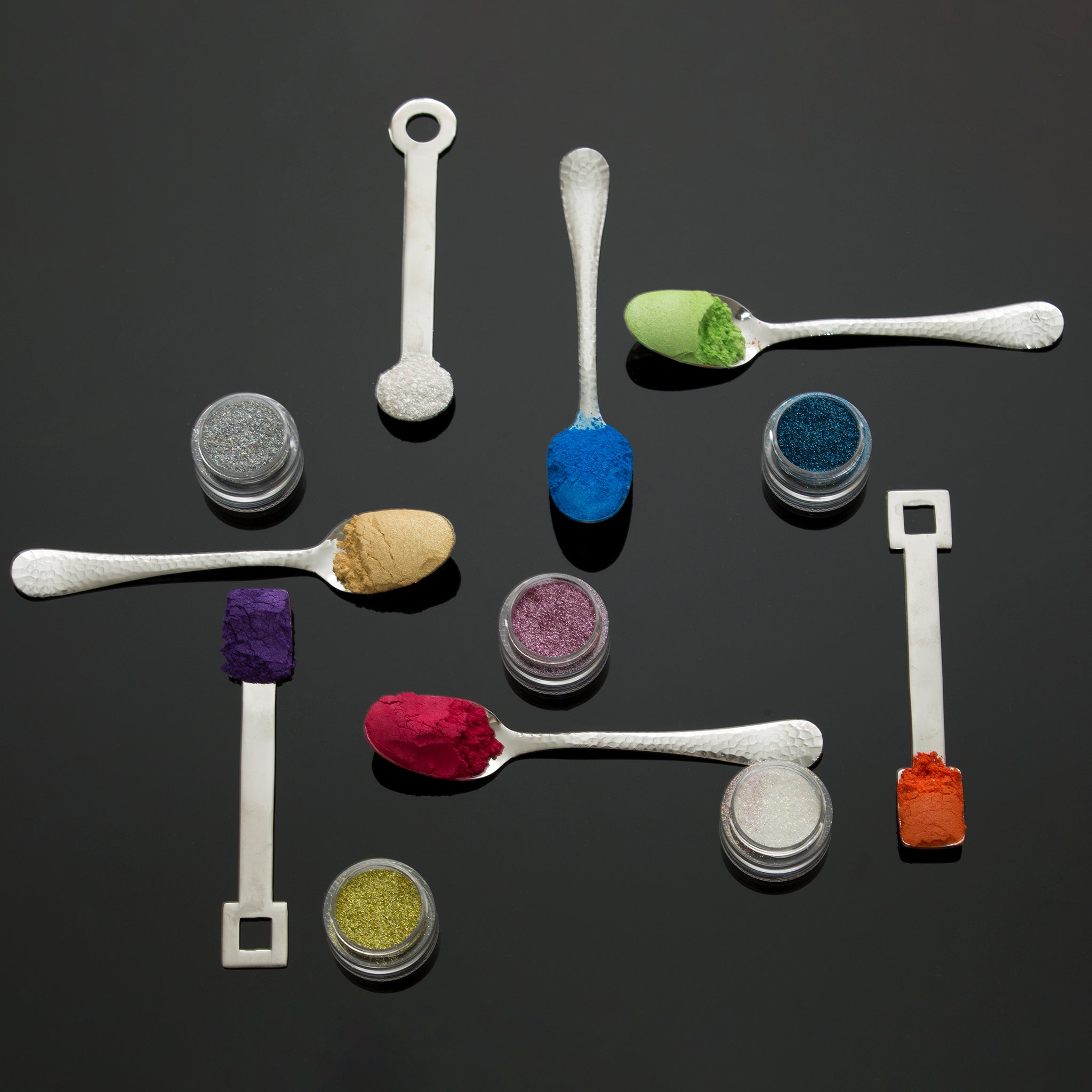
Commercial colourants such as Ultramarines, Chromium Greens, Iron Oxides, Neon Powders and many of our Micas will give your soaps beautiful colours in varying shades depending on the amount that you add to your batch.To use these colourants in your soap, simply make a concentrate by mixing together 1 tsp. of colourant with 1 tbsp. water, then add the liquid bit by bit when your soap is at a light trace, continuing to mix until you reach your desired colour and trace level.