You can keep adding more colour, but that rarely fixes it. After plenty of testing in bath bombs, cold process soap, and melt and pour, we landed on a simple approach that consistently gives a true, vibrant red, and it even translates beautifully into lip products.
Why Red Is So Tricky
Red colourants each behave a little differently.
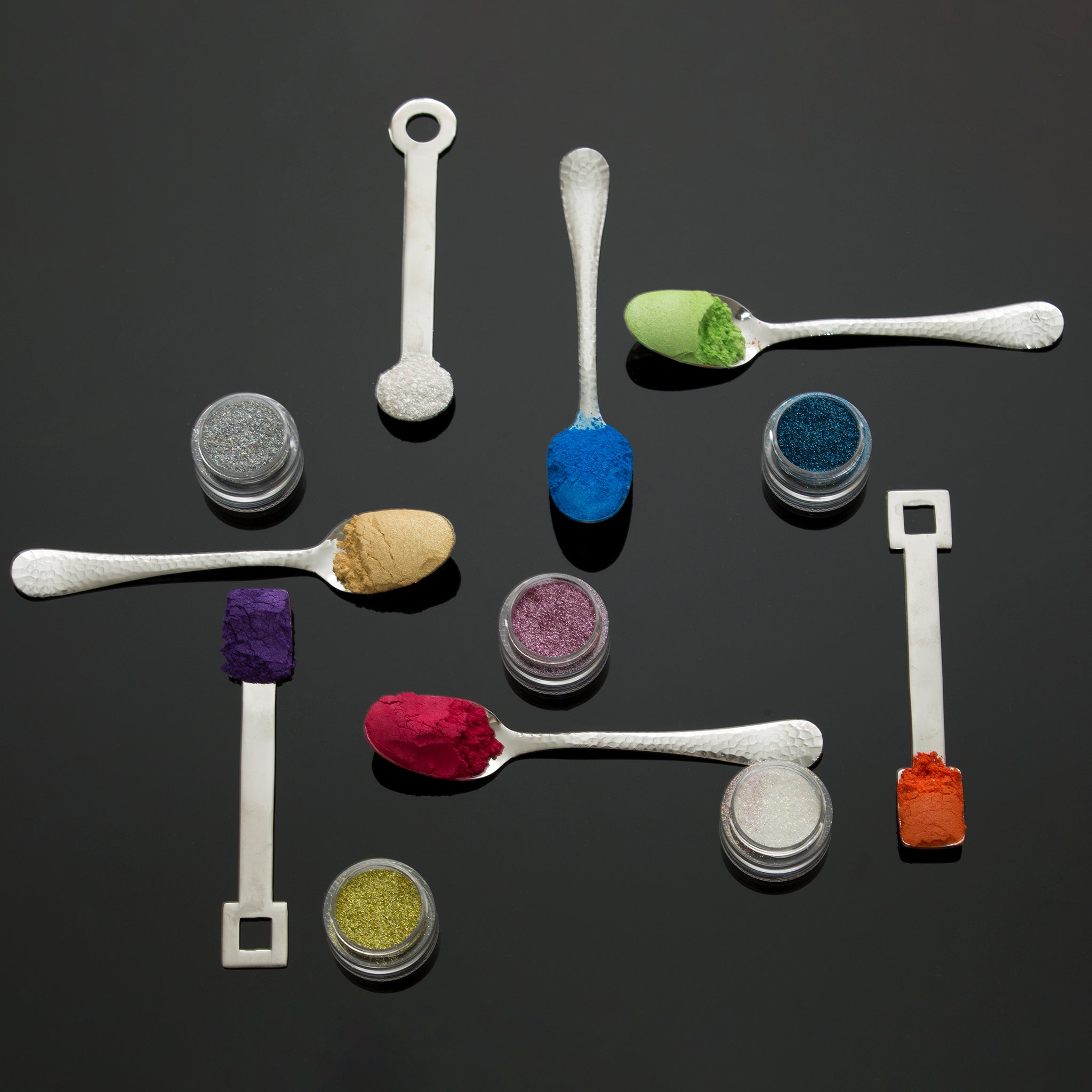
Options like Red 40 Lake or Ruby Red Oxide add depth and richness, but on their own they can read brick toned or slightly dull.
Bright neon pinks are vibrant and eye catching, but they are still pink.
The key is not adding more pigment. It is balancing depth with brightness.
The Simple Colour Blend That Works
Instead of relying on a single colourant, we blend two complementary tones to build dimension.
For Bath Bombs
Red 40 Lake
Neon Hot Pink Kisses Powder
Red 40 Lake creates a strong, saturated base. The neon pink lifts and brightens it so the colour stays clear instead of muddy. The result is a bold red that actually reads red in the tub.
For Cold Process and Melt and Pour Soap
Ruby Red Oxide
Neon Hot Pink Kisses Powder
Ruby Red Oxide brings depth and stability. The neon pink prevents it from going brick or brown. Together, they create a classic, balanced red without heavy magenta undertones.
How Much Should You Use
There is not a strict formula, and that is intentional.
Your ideal ratio depends on:
-your base colour
-your batch size
-your personal vision of true red
Starting points that work well
1 to 1 ratio, equal parts red and neon pink for a balanced red
Slightly more red than pink if your blend is reading too pink
Our approach is simple. Add a little, mix thoroughly, step back, adjust. Trust your eyes. They are your best tool.
Your Base Colour Matters More Than You Think
This step often gets overlooked.
Not all bases start bright white. Depending on your ingredients, your mixture may begin slightly off white, creamy, ivory, or naturally tinted from oils, butters, clays, botanicals, or milks.
Two makers can use the exact same ratio and still get different reds simply because their starting base was different.
That is why strict gram for gram rules rarely work perfectly. Always adjust visually until it looks right in your batch.
How We Used It in Our Valentine Project
For our Valentine Rose Bath Bomb
The larger portion was coloured with Red 40 Lake and Neon Hot Pink Kisses Powder to create a deep, true red rose.
The smaller portion was tinted with blue and yellow lake powders for the leaves.
Same batch. Same scent. Simply divided and coloured separately. Clean, intentional, and consistent.
This method works across bath bombs, soap, and lip products, since both Ruby Red Oxide and Neon Hot Pink Kisses are lip safe.
Pro Tips for Better Reds
Pre blend your colourants before adding to your base.
Start lighter than you think, you can always build depth.
If it looks dull, add brightness with neon pink.
If it looks too pink, add depth with red lake or oxide.
Keep notes so you can recreate your favourite shade.
Final Thoughts
Getting a true red does not require complicated pigments or overloading your formula. It is about layering depth and brightness and understanding your starting base.
Simple adjustments. Consistent results.
Try this blend in your next project and see the difference for yourself. If you love colour mixing as much as we do, there are plenty more combinations worth exploring.