


























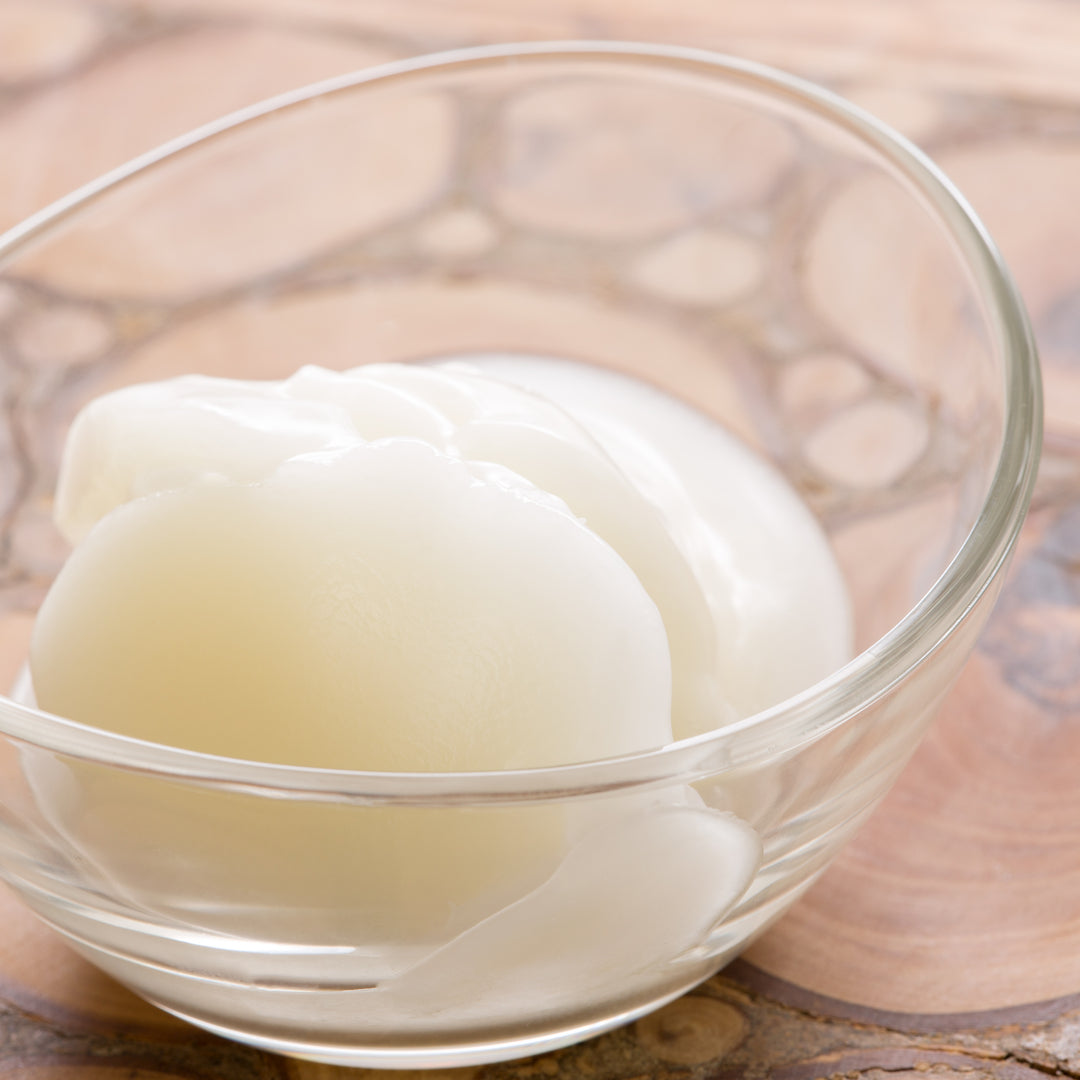
Coconut Oil 76 RBD
BCO-CCNT-76-454G
Coconut Oil 76 is one of the most widely used oils in cold process soapmaking, valued for its ability to produce hard bars with abundant, fluffy lather and excellent cleansing properties. It is often used as a foundational soapmaking oil, contributing hardness, longevity, and strong foam performance to finished bars. Coconut Oil 76 blends well with other carrier oils and butters, allowing soap makers to balance cleansing, conditioning, and lather characteristics to create a wide range of soap formulations.
Beyond soapmaking, Coconut Oil 76 can also be used in creams, lotions, body butters, balms, and other personal care products where it contributes emollience, richness, and a smooth skin feel. Its solid consistency at cooler room temperatures makes it a useful ingredient for adding body and structure to anhydrous and emulsified formulations.
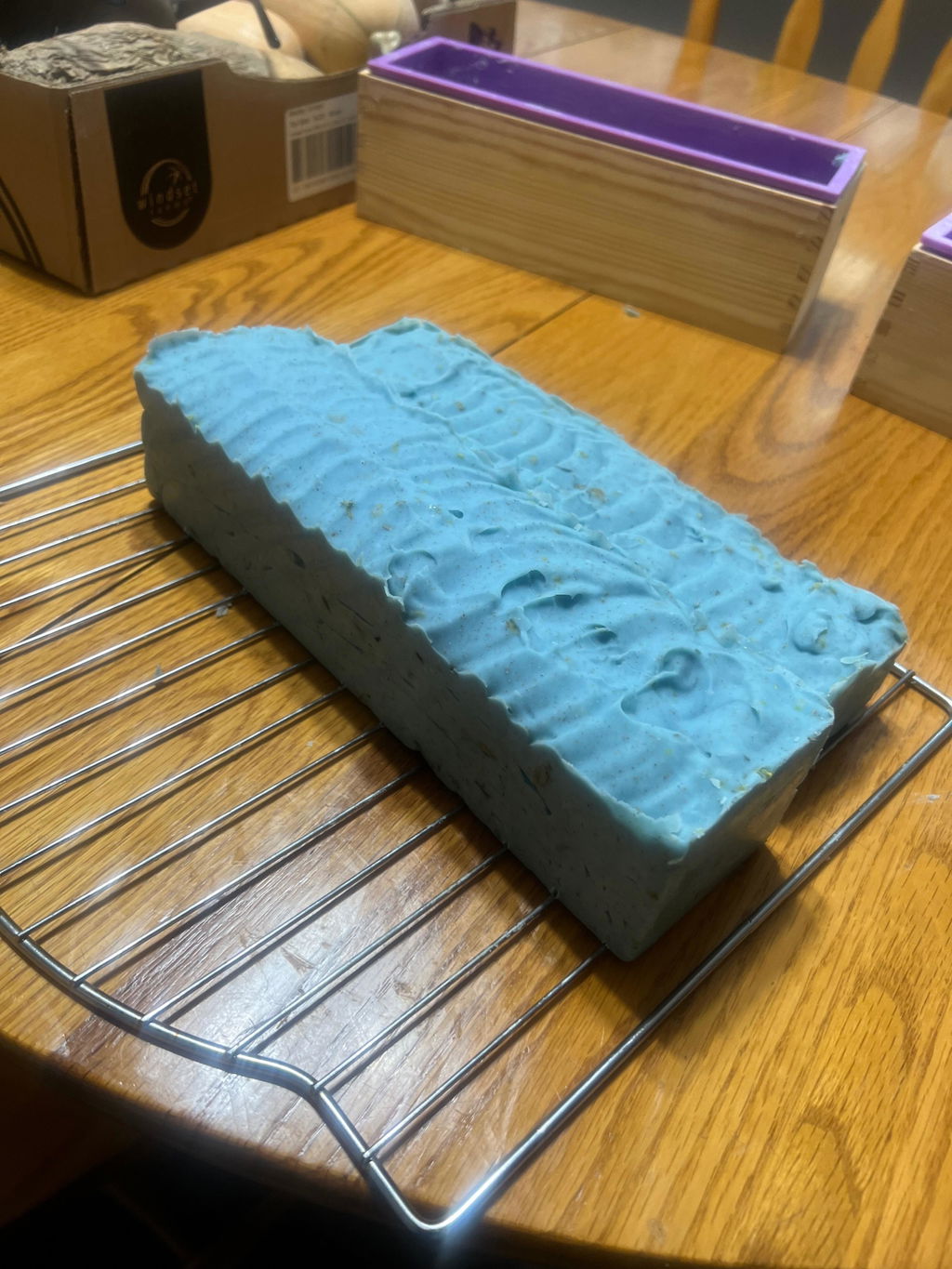
Coconut Oil 76 can be used in cold process and hot process soap, as well as a variety of personal care formulations. In soapmaking, it is typically combined with other carrier oils and butters to create balanced recipes with the desired cleansing, lather, and conditioning characteristics. Higher percentages are often used in laundry soaps, stain-removal bars, and dishwashing soaps where stronger cleansing performance is desired.
For lotions, creams, body butters, balms, lotion bars, massage products, and hair care formulations, Coconut Oil 76 may be added to the oil phase and blended with other oils, butters, waxes, and emulsifiers as required by your formulation. Because it is solid at cooler room temperatures, gentle warming may be necessary before use.
Typical usage levels based on common formulation practice:
• Cold Process Soap (Bath & Body Bars): 15–35% of total oils
• Laundry Soap Bars: 50–100% of total oils
• Dishwashing Soap Bars: 50–100% of total oils
• Lotion Bars & Balms: 10–50%
• Body Butters: 10–50%
• Creams & Lotions: 2–20%
• Body Oils & Massage Oils: 5–25%
• Hair Care Products: 1–10%
These usage levels are provided as general formulation guidelines. Testing is recommended to determine the optimal level for your specific formulation, process, and desired performance.